Are You Ready to Discover Unique Workshops Across Australia?
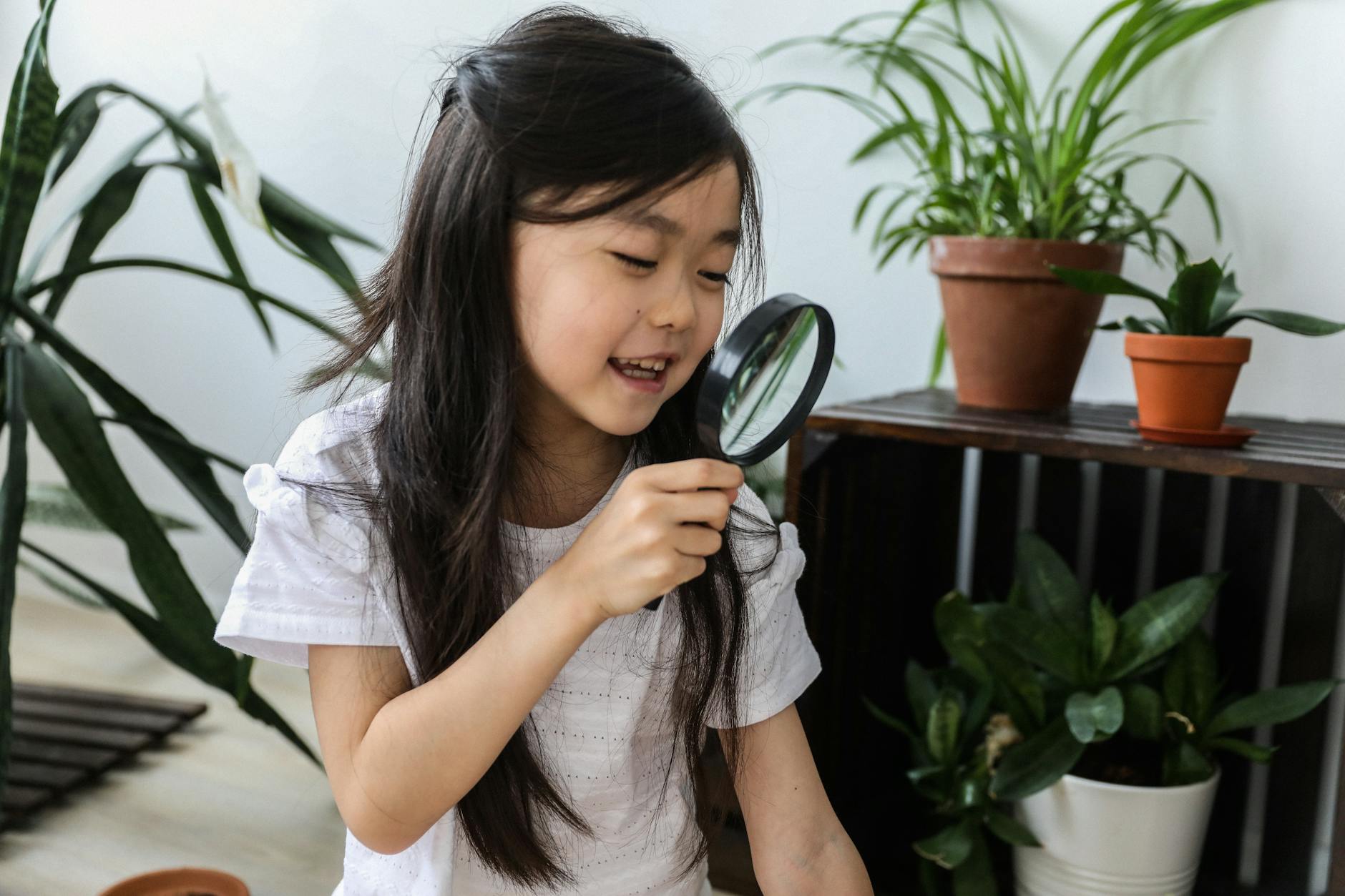
Exploring Eco-Friendly Workshops
When you're ready to unwind in a way that aligns with your eco-conscious values, exploring eco-friendly workshops can be the perfect leisure activity. Imagine a tranquil day spent in a workshop sydney where you're surrounded by like-minded individuals learning sustainable crafts. Whether it's a pottery class using sustainable materials or art sessions that focus on eco-friendly techniques, these workshops provide an ideal setting for relaxation and creativity.
Pottery with Sustainable Materials
Pottery workshops offer a hands-on experience involving natural materials and techniques. By using locally sourced, eco-friendly clay and natural glazes, these sessions ensure minimal environmental impact. The emphasis is on creating beautiful, functional art while enhancing your relaxation techniques. You can find such workshops nestled in serene settings, reminiscent of the calm found in places like the Brisbane Botanic Gardens, making them ideal for those seeking pottery classes brisbane.
Eco-Conscious Art Workshops
Art workshops that focus on sustainability offer an engaging way to express your creativity without compromising your values. These sessions use recycled materials and non-toxic paints, making them perfect for crafting art that’s as good for the soul as it is for the earth. While attending, you might share insights with fellow participants about the latest cultural events at Queensland Cultural Centre, further enriching your experience. These workshops also make thoughtful experience gifts for her, combining creativity, sustainability, and meaningful memories.
Gardening for Biodiversity
For those who find peace in nature, gardening workshops teach you to cultivate plants that support local ecosystems. Learning about native species and their roles in biodiversity aligns with the principles of sustainability and offers a soothing hobby. Much like spending a leisurely afternoon in the cozy cafes in West End, these workshops provide a comforting escape, leaving you feeling refreshed and informed.
Outdoor Experiences with Minimal Impact
Guided Nature Walks
Exploring the great outdoors offers a serene escape, enabling you to reconnect with nature while maintaining a low environmental footprint. Guided nature walks in and around Sydney provide an engaging way to experience local flora and fauna. These walks often emphasise sustainability, teaching participants about native ecosystems and the importance of conservation. Spending time among natural landscapes can be as relaxing as a stroll through the Brisbane Botanic Gardens, offering a peaceful break from the hustle and bustle of city life.
Permaculture Farm Tours
Permaculture farm tours offer a hands-on experience where you can learn about sustainable farming practices. These tours not only educate visitors about eco-friendly agriculture but also inspire practices that minimise environmental impact. You'll discover how permaculture integrates harmoniously with natural ecosystems, making it a rewarding activity aligned with eco-conscious values.
Wildlife Observation Sessions
Engage in wildlife observation sessions to explore the diversity of native species without disturbing their habitats. These sessions often focus on ethical observation techniques, ensuring that the natural behaviour of wildlife is respected and preserved. Such experiences can feel as enriching as spending a quiet afternoon in the cozy cafes of West End, providing moments of calm and reflection.
Each of these outdoor experiences offers a way to unwind and connect with the environment while keeping sustainability at the forefront. They serve as thoughtful gifts for anyone looking to enjoy meaningful, eco-friendly leisure activities.
Community Initiatives for Brisbane's Eco-Conscious
Local Environmental Cleanup Projects
Turning intention into action helps foster community cohesion and environmental cleanliness. Participating in local environmental cleanup projects offers a hands-on way to make a tangible difference. Brisbane is replete with projects focused on revitalising the city's green spaces and waterways. By volunteering in these initiatives, you can connect with like-minded individuals and employ relaxation techniques amid the rejuvenating surroundings.
Sustainable Cooking Classes
Engaging in sustainable cooking classes provides a delicious route to supporting eco-friendly practices. These workshops often focus on using locally sourced ingredients, emphasising minimal waste and maximum flavour. Whether you're experimenting with plant-based recipes or learning about seasonal produce, these classes align with eco-conscious values. Afterward, you might even find yourself enjoying a meal at one of the cozy cafes in West End, applying new culinary skills and ensuring every bite supports your green ethos.
Community Gardening Initiatives
Community gardening initiatives create opportunities to grow fresh produce while fostering a sense of belonging. These gardens serve as collaborative spaces where individuals can cultivate plants and friendships simultaneously. As you dig into the soil and nurture biodiversity, the experience becomes a natural exercise—mindful, calming, and fulfilling. Such communal gardening projects can significantly lower urban carbon footprints and increase access to fresh, locally-sourced foods around Brisbane Botanic Gardens.
Engaging in these activities allows for meaningful contributions to both the environment and community resilience, a well-rounded path to promote both personal and planetary health.
Digital Workshops with a Green Focus
Online Sustainable Crafting
Online sustainable crafting provides an opportunity to dive into creative ventures without significant environmental impact. Imagine spending your afternoon, not at a bustling store, but in the comfort of your home, learning to recycle materials into beautiful art pieces. Offering a variety of projects from paper-making to upcycled fashion, these platforms aim to blend creativity with eco-conscious living. They’re also an excellent gift option, leveraging the utility of experience gift cards for a unique and sustainable present.
Virtual Eco-Workshops
Virtual eco-workshops bring expert knowledge right to your desk. These sessions could include techniques for reducing plastic waste, transitioning to a low-waste lifestyle, or even DIY household cleaning products. These online gatherings focus not only on sharing knowledge but building a community of like-minded individuals keen on sustainable living. It's a bit like taking a virtual tour of the serene Brisbane Botanic Gardens, where you take home valuable insights for daily life.
Webinar on Renewable Practices
Webinars focused on renewable practices are an excellent resource for those looking to explore sustainable technologies. Topics often include solar energy, rainwater harvesting, and permaculture practices. These sessions are crafted to support environmentally conscious choices, providing valuable information and tangible steps to integrate these practices into your life. They offer an immersive experience akin to attending cultural events at the Queensland Cultural Centre but with the added advantage of reducing your carbon footprint.
Eco-Friendly Participation: Key Strategies
Choosing Green Partners
Selecting green partners for your eco-friendly ventures is crucial. Many organisations in Brisbane are dedicated to sustainability, and partnering with them can make a significant difference. By collaborating with local businesses, especially those near the serene Brisbane Botanic Gardens, you ensure that your activity funds are utilised in environmentally-friendly ways. These partnerships often facilitate workshops at cozy cafes in West End, making the experience both informative and enjoyable.
Reducing Personal Footprint
Taking actionable steps towards reducing your personal footprint is vital in achieving an eco-conscious lifestyle. Start by assessing your daily habits—consider using reusable products, reducing energy consumption, and embracing minimalism in your daily choices. Engaging in relaxation techniques such as yoga or meditation at venues like the Queensland Cultural Centre can also teach mindfulness, helping you to be more present and aware of your environmental impact.
Supporting Locally Sourced Materials
Sourcing locally not only supports the community but also cuts down on the environmental costs associated with transportation. Whether you're crafting or cooking, opting for locally produced materials enhances sustainability. Explore markets around Brisbane for fresh produce or unique materials, especially when participating in eco-conscious activities. This initiative not only fortifies local economies but also reduces your carbon footprint in tangible ways.
By embracing these strategies, you're not only contributing positively to the environment but also enriching your lifestyle with practices that promote sustainability.